
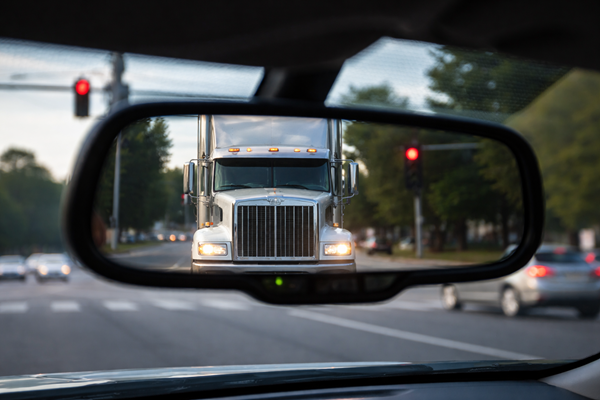
Why Liability In A Rear-End 18-Wheeler Crash Isn't Always Clear
A rear-end crash looks straightforward from the outside. One vehicle hits another from behind, and people assume the rear driver is automatically at fault. In ordinary passenger-car collisions, that shortcut is common, even when it's not always right.
When an 18-wheeler is involved, that assumption can hide what actually caused the wreck. The “who hit whom” question matters, but it's rarely the whole story. The more important question is often why the truck couldn't slow down, stop, or respond safely in the first place, and that is where a Fort Worth truck accident lawyer can help uncover the facts that don't show up in the first version of the report.
That is especially true in North Texas traffic patterns, where stop-and-go backups on I-35W, I-30, Loop 820, and Highway 121 can turn into sudden braking events. One hard stop, one lane change, or one traffic ripple can set off a chain reaction. When a large truck is part of that chain, the forces are higher, and the margin for error is smaller.
The Real Cause Can Start Long Before The Moment Of Impact
Truck rear-end cases often involve mechanical and operational issues that don't show up in a quick crash summary. For injured people, it helps to understand the most common reasons a “simple” rear-end truck wreck turns into a complicated liability fight. The details below often decide whether the case stays stuck in assumptions or moves forward with proof.
- Stopping Distance And Load Issues: Weight, shifting cargo, brake fade, improper loading, and unsafe following distances can all extend stopping time in ways passenger drivers don't expect.
- Equipment Problems: Worn brakes, tires, lights, underride guards, faulty ABS, and skipped maintenance can turn an avoidable slowdown into a violent impact.
- Multiple Responsible Parties: Depending on the facts, liability can extend beyond the driver to a trucking company, maintenance contractor, shipper/loader, broker, or parts manufacturer.
- Evidence That Disappears Quickly: Dash cam video, telematics, ECM data, dispatch logs, inspection reports, and post-crash repair records can be lost or overwritten if they are not preserved early.
- Chain-Reaction Dynamics: One sudden stop can trigger a multi-vehicle crash where sequence matters, including who hit first and whether the truck was pushed, cut off, or forced into emergency braking.
None of this changes the reality that a truck rear-end collision is dangerous. It changes how the case has to be investigated and how quickly.
Texas-Specific Factors That Turn Rear-Enders With 18-Wheelers Into Fights
There are a few Texas-specific reasons rear-end truck crashes can turn into bigger fights than people expect. None of them changes physics, but they do change how fault gets argued, how fast evidence needs to be secured, and how quickly a case can become “complicated.” Here are the biggest Texas-specific factors that tend to raise the complexity:
- Texas Fault Rules Invite Harder Fights: Texas uses a modified comparative negligence rule that can bar recovery if a claimant is found more than 50% at fault. That makes rear-end truck cases more likely to turn into aggressive arguments about braking, lane changes, following distance, and “sudden stop” claims.
- A Strict Clock Creates Early Pressure: Most Texas personal injury claims have a two-year limitations period, which can tighten timelines for investigation, experts, and filing strategy, especially in commercial cases where evidence control sits with the trucking side.
- Texas Crash Reporting Has Its Own Paper Trail: Texas uses the Texas Peace Officer’s Crash Report (CR-3), and the way it codes factors and narratives can shape how insurers frame the “first version” of what happened. Knowing how to obtain and read through the Texas Department of Transportation can matter early.
- A Heavy Enforcement and Compliance Environment: Texas has a major commercial-vehicle enforcement and inspection culture, with involvement from agencies like the Texas Department of Public Safety, and those inspection and compliance records can become part of the liability picture depending on what happened and what was documented.
So the Texas factor is less about a unique rear-end rule and more about how Texas's liability math, deadlines, and documentation systems, combined with high-volume freight corridors, push these cases into detailed investigations. That is also why a lawyer can be especially valuable early: getting the right records and locking down time-sensitive truck data often decides whether the case stays stuck in assumptions or builds on proof.
Taking Control After A Rear-End Truck Accident in Fort Worth, TX
For an injured person, the stakes aren't abstract. Rear-end truck crashes can cause traumatic brain injuries, spinal damage, orthopedic injuries, and long recovery timelines. The insurance process may move quickly, but not always in a way that protects the person who got hit.
A smart next step is to treat the case like what it is: A serious commercial crash with moving parts. That often means speaking with a truck accident attorney who knows how to secure evidence, identify all responsible parties, and push for compensation that reflects the true impact of the wreck.
For a free consultation after a Fort Worth truck accident, contact Coby L. Wooten, Attorney at Law, P.C. We handle truck accident claims across North Texas, Fort Worth, and the Dallas-Fort Worth area. Our law firm brings decades of Texas personal injury litigation experience to serious injury and wrongful death cases.
Our case results include $750,000 for a commercial vehicle accident and $825,000 for a rear-end accident. Clients work directly with an attorney, not a case manager, and we know how to build a truck accident case with the evidence it takes to pressure trucking companies and insurance carriers. Our lawyers work on a contingency fee basis, so there is no fee unless compensation is recovered.
You already know: Texans don't take chances with their future. They take control. Contact us today for a free consultation with an experienced Fort Worth truck accident lawyer.
"10/10 recommend. He was very thorough and helped get the best support with my car wreck accident and injuries." - Kimberly O., ⭐⭐⭐⭐⭐