
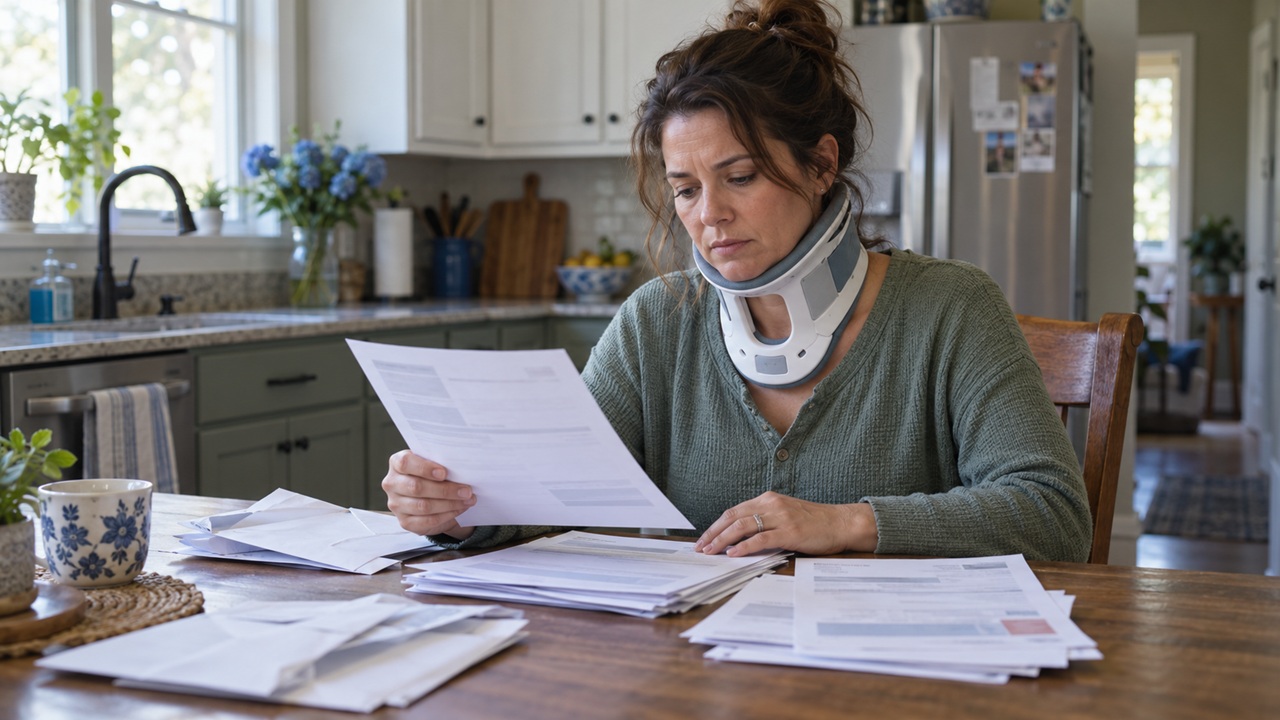
A Hospital Lien Can Affect How Much Compensation an Injured Person Receives
Texas car accident victims are often surprised to learn that the hospital that treated them may have a claim on their settlement. Texas law allows hospitals and ambulance providers to file what's called a hospital lien against the money an injured person recovers from the at-fault driver to cover unpaid emergency care. But strict rules control how that lien is created and how much the hospital can actually collect.
Hospital bills aren't the only claims that can cut into a settlement. Health insurers, Medicare, and Medicaid may also want to be repaid. Without someone checking every claim, an injured person can end up handing over far more than they should. A Fort Worth car accident lawyer can review these claims, challenge the ones that don't hold up, and negotiate the rest so the injured person keeps more of their recovery.
|
What Injured Texans Should Know
|
What Is a Hospital Lien in Texas?
A lien is a legal claim to money. A hospital lien gives a hospital the right to be paid out of the money an injured person recovers from a car accident claim. It attaches to the injury claim and settlement, not to the injured person's home or other property. That distinction matters to many people who worry they could lose their house over a hospital bill.
Chapter 55 of the Texas Property Code allows hospitals and emergency medical services providers to claim these liens for care given after an accident. The law is aimed mainly at emergency treatment people receive soon after a crash, such as an ambulance ride, emergency room care, surgery, and a hospital stay.
Some hospitals use liens instead of billing the patient's health insurance. By filing a lien, the hospital can try to collect its full billed charges from the settlement rather than the lower rate it agreed to accept from a health insurer. That practice can take a big bite out of what an injured person receives, which is why these liens deserve close attention.
How a Hospital Secures a Lien
A hospital can't simply announce it has a lien. To secure one, it must file a written notice with the county clerk in the county where the care was provided. That notice has to be filed before money is paid to the injured person. If the hospital waits too long, it may lose the right to claim the lien against the settlement.
Texas law also requires the hospital to notify the injured person that it's claiming a lien. The notice must include specific information about the patient, the care, and the amount claimed. These requirements exist so injured people and insurance companies know the lien exists before the settlement is paid out.
Hospitals don't always follow these rules perfectly. A lien that wasn't properly filed, or that lacks required information, may not be enforceable. Checking each filing is one of the first steps a lawyer takes when hospital bills are part of a car accident claim, because a defective lien can make a meaningful difference in what the injured person keeps.
Limits on What a Hospital Can Collect
Even a valid lien has limits. A hospital can only collect the reasonable and necessary charges for the care it provided. Hospital bills often start with "chargemaster" prices, the list prices hospitals set for services. These prices are often far higher than what insurers actually pay, and they're frequently open to challenge.
Health insurance can affect the lien too. When a hospital bills a patient's health insurer and accepts its payment as payment in full, the hospital generally can't turn around and claim the full billed amount from the settlement. The Texas Supreme Court has addressed this issue, recognizing that hospitals can't collect more than they agreed to accept under their contracts with insurers.
Texas also has a "paid or incurred" rule, which limits recovery of medical expenses to the amounts actually paid or owed, not the inflated sticker price. That rule shapes how medical bills are valued in a car accident claim and how much a hospital can reasonably expect to collect from a settlement.
Here's a look at the different groups that may try to claim part of a Texas car accident settlement.
| Who Can Claim It | Why They Claim It | What a Lawyer Can Do |
|---|---|---|
| Hospitals | Unpaid emergency care after the crash | Verify the lien filing and challenge inflated charges |
| Ambulance and EMS providers | Emergency transport and treatment at the scene | Review the bill and negotiate the amount |
| Private health insurers | Repayment for crash-related medical bills they covered | Review the policy terms and negotiate a reduction |
| Employer health plans | Repayment under the plan's terms | Analyze the plan's rights and seek a reduction |
| Medicare | Federal law requires repayment of crash-related care | Confirm the amount and request reductions |
| Medicaid | State and federal rules require repayment | Verify the claim and work to lower the payback |
| Doctors treating on a letter of protection | Payment promised from the settlement for ongoing care | Negotiate fair rates before the case closes |
Health Insurance, Medicare, and Medicaid Repayment Claims
When a health insurer pays for crash-related care, it often has a right to be repaid from the settlement. This is called subrogation, which means the insurer steps into the injured person's shoes and wants its money back once the at-fault driver pays. Employer health plans governed by federal law can be especially aggressive about these claims.
Medicare and Medicaid also have the right to be repaid when they cover medical bills related to a car accident. These claims are backed by federal and state law, and ignoring them can lead to serious problems, including future benefits being affected. They must be resolved before or as part of distributing the settlement.
Many of these repayment claims can be reduced. Insurers and government programs often agree to lower their claims to reflect attorney's fees, costs, and the strength of the case. Getting those reductions takes knowledge of the rules and persistence in negotiating, which is part of how a lawyer helps an injured person keep more of what they recover.
How a Lawyer Protects More of Your Settlement
Liens and repayment claims are one of the most overlooked parts of a car accident case. Handling them well can make a significant difference in the final amount an injured person takes home. A lawyer can help by:
- Verifying Lien Filings: Checking whether each hospital and EMS lien was filed correctly and on time.
- Requesting Itemized Bills: Getting a detailed list of every charge so errors and duplicate charges can be spotted.
- Challenging Inflated Charges: Pushing back when hospitals bill far more than reasonable rates.
- Confirming Insurance Billing: Making sure hospitals billed health insurance when they should have.
- Negotiating Reductions: Working with every lienholder to lower what they're owed.
- Paying Liens Properly: Making sure claims are resolved correctly so the injured person isn't pursued later.
People who handle liens on their own often pay more than they need to. Hospitals and insurers count on injured people not knowing their rights. Having a lawyer manage these claims from the start protects the value of the settlement and gives the injured person peace of mind that every claim has been handled correctly.
Steps to Take When a Hospital Bill Arrives After a Crash
Hospital bills and lien notices can start arriving within days of a crash, often while an injured person is still recovering. These steps can help protect both their finances and their claim:
- Give the Hospital Your Health Insurance Information: Ask that your health insurance be billed, and keep a record of the request.
- Keep Every Bill and Notice: Save hospital bills, lien notices, and letters from insurers in one place.
- Don't Ignore Lien Letters: A lien notice can affect your settlement, so it shouldn't be set aside.
- Don't Sign Payment Promises: Avoid signing anything that promises payment from a future settlement before talking to a lawyer.
- Track PIP Coverage: If you have personal injury protection on your auto policy, it may help pay medical bills early.
Texas generally gives injured people two years from the date of a crash to file a personal injury lawsuit. Medical bills and liens can complicate the timeline and the value of a claim. Getting a lawyer involved early helps make sure liens are addressed before the case resolves, not after the money is already gone.
Texans Don't Take Chances. Texans Take Control.
A car accident settlement is supposed to help an injured person recover and move forward. Hospital liens and repayment claims shouldn't swallow the money meant for lost wages, future care, and the pain the crash caused. Injured Texans deserve a legal team that will fight to protect every dollar.
Clients of Coby L. Wooten, Attorney at Law, P.C. work directly with attorneys Coby Wooten and Mattilyn Smith, who bring more than 40 years of combined legal experience. There are no case managers. Coby has been named to Fort Worth, Texas magazine's Top Attorney list every year since 2012, and the firm's case results include a $3.65 million jury verdict in a wrongful death case.
We work on a contingency fee, so you only pay if we win. We'll meet you at our Fort Worth or Dallas office or come to your home. Schedule your free consultation to find out how much of your settlement you can keep.
"Mr. Wooten and his staff were great through the my process. Answered all my questions and concerns, and were easy to communicate with. Mr. Wooten did a great job explaining what would happen next and was able to get me more than I expected. Great team to work with." - Anna V., ⭐⭐⭐⭐⭐