
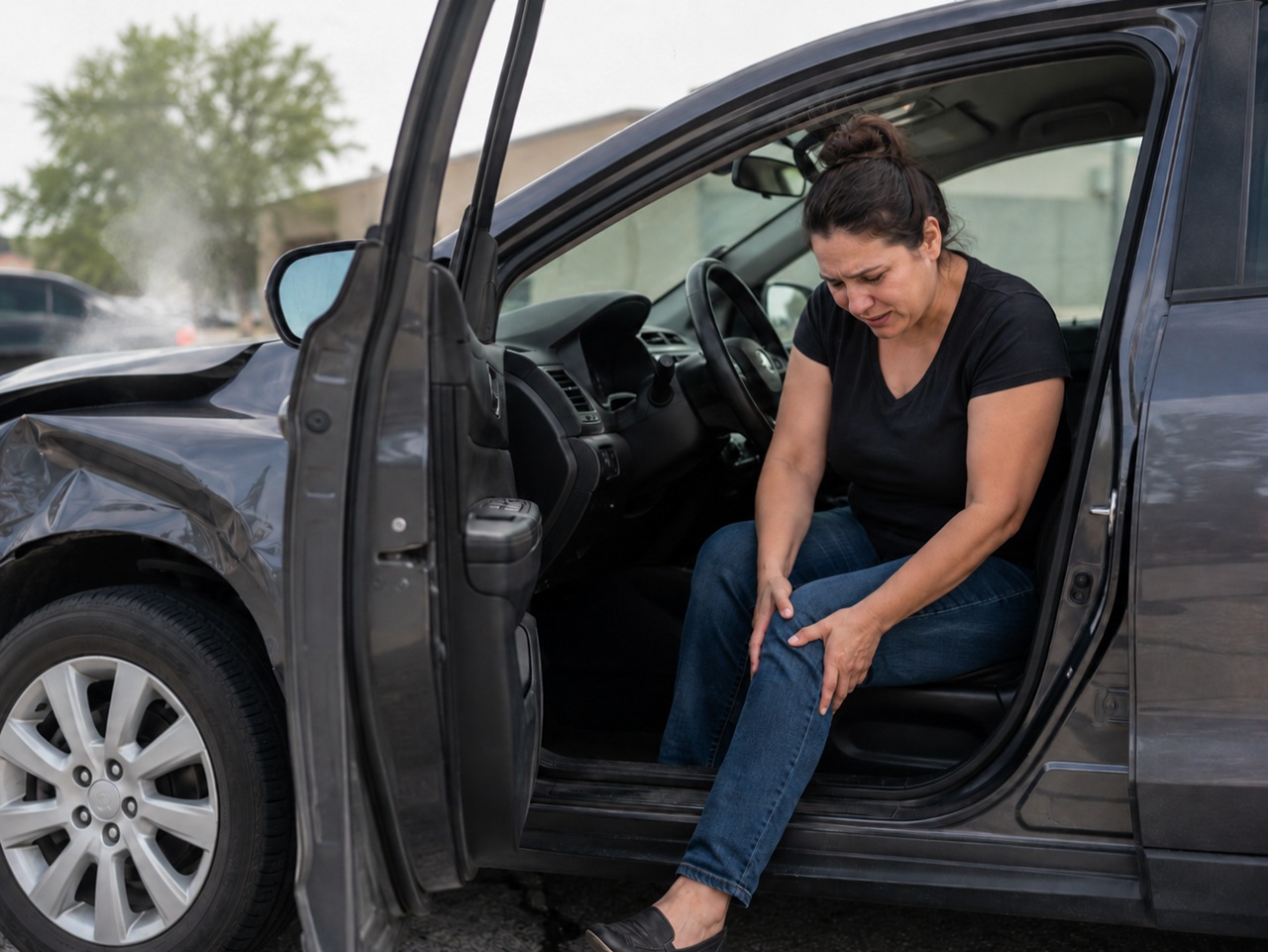
A Claim Can Cover The Full Impact Of A Serious Knee Injury
A knee injury after a car accident can affect much more than your ability to walk. Climbing stairs, driving, working, exercising, caring for your family, and even standing for long periods can become painful or impossible when a crash damages the ligaments, cartilage, bones, or other structures inside the knee.
If another driver's negligence caused the collision, you may be able to pursue compensation for a knee injury, including medical expenses, lost income, pain and suffering, and losses tied to permanent limitations. The strength and value of the claim will depend on factors such as who caused the crash, the medical evidence connecting your injury to the accident, and how the injury affects your life.
At Coby L. Wooten, Attorney at Law, P.C., we've spent more than 30 years helping injured Texans pursue compensation after serious motor vehicle accidents. Knee injury claims can become especially important when surgery, extended rehabilitation, work restrictions, or long-term joint problems make the true cost of an injury much greater than it first appeared.
Car Crashes Can Damage Several Parts Of The Knee
The knee can absorb tremendous force during a collision. An occupant's knee may strike the dashboard, steering column, center console, or door, while sudden twisting or bracing can injure the joint even without a direct impact.
Common crash-related knee injuries can include:
- ACL, MCL, and PCL Tears: Damage to the major ligaments that stabilize the knee can cause pain, swelling, instability, and difficulty walking or changing direction.
- Meniscus Tears: Trauma can tear the cartilage that cushions the knee, potentially causing pain, swelling, locking, or catching sensations.
- Patellar Fractures: A direct blow to the dashboard or another hard surface can fracture the kneecap.
- Knee Dislocations: Severe trauma can force the bones of the knee out of their normal alignment and damage surrounding ligaments, blood vessels, or nerves.
- Tendon Injuries: Tendons that help straighten and stabilize the leg can be stretched or torn during a collision.
- Cartilage and Soft Tissue Damage: Damage inside the joint can cause persistent pain, stiffness, swelling, and reduced mobility.
- Post-Traumatic Arthritis: Damage from a serious knee injury can contribute to degenerative changes that create pain and mobility problems long after the crash.
Some injuries respond well to rest, medication, bracing, and physical therapy. Others may require arthroscopic procedures, ligament reconstruction, fracture repair, or other surgery followed by months of rehabilitation.
Delayed Knee Pain After A Crash Shouldn't Be Dismissed
Not every serious injury is obvious at the accident scene. Adrenaline, shock, and inflammation can affect how symptoms appear immediately after a collision. Pain and stiffness may become more noticeable over the following hours or days.
Warning signs can include:
- Pain while walking, standing, or climbing stairs.
- Swelling or stiffness around the joint.
- Difficulty bending or straightening the leg.
- A feeling that the knee is unstable or giving out.
- Locking, catching, or popping sensations.
- Bruising or tenderness.
- Reduced range of motion.
Getting appropriate medical attention can help identify the cause of those symptoms and create a record of when they began. Even injuries that initially seem minor can become more significant once diagnostic testing reveals ligament, cartilage, or other internal damage.
A Knee Injury Can Affect Work And Daily Life For Months Or Years
The financial impact of a knee injury often extends far beyond the first emergency room bill.
Someone who works in construction, healthcare, manufacturing, transportation, warehousing, or another physically demanding occupation may be unable to kneel, climb, lift, stand, or walk for long periods. Even office work can become difficult when prolonged sitting causes stiffness or when commuting and walking through a workplace become painful.
Serious knee injuries may lead to:
- Time away from work during treatment or surgery.
- Reduced hours or temporary work restrictions.
- Long-term physical therapy and rehabilitation.
- Multiple procedures or surgeries.
- Chronic pain and reduced mobility.
- Permanent restrictions on physical activity.
- Reduced earning capacity when someone can't return to the same type of work.
- Difficulty participating in hobbies, exercise, travel, and family activities.
Those long-term consequences matter when evaluating a claim. Accepting a settlement before doctors understand whether you'll need surgery, additional rehabilitation, or future treatment can leave you responsible for costs that weren't accounted for when the case was resolved.
Negligence Is The Foundation Of A Texas Knee Injury Claim
You can generally pursue a personal injury claim when another person or company negligently caused the crash and your resulting knee injury.
Depending on the circumstances, negligence may involve a driver who was speeding, distracted, impaired, following too closely, running a traffic signal, failing to yield, or otherwise driving unsafely.
You also need to connect the accident to your knee injury. Insurance companies may question whether the crash actually caused the condition, especially when medical records show arthritis, a previous sports injury, an old surgery, or another pre-existing knee problem.
A pre-existing condition doesn't necessarily mean a new crash caused no additional harm. Medical evidence can help distinguish an existing condition from new trauma or document whether the collision aggravated an earlier problem.
Medical Evidence Can Make Or Break A Knee Injury Claim
Strong documentation can help establish what happened to your knee, when symptoms began, which treatment became necessary, and how the injury has affected your ability to function.
Evidence may include:
- Emergency room and urgent care records.
- Orthopedic examinations.
- X-rays, MRIs, CT scans, and other diagnostic testing.
- Physical therapy records.
- Surgical reports.
- Work restrictions and disability documentation.
- Photographs showing swelling, bruising, braces, or mobility aids.
- Records showing missed work and lost income.
- Evidence documenting changes in daily activities and physical limitations.
Consistently documenting injuries after a car accident can become especially important when an insurer argues that symptoms weren't serious, treatment wasn't necessary, or the knee problem developed for reasons unrelated to the crash.
Insurance Companies May Try To Blame Arthritis Or An Old Injury
Knee claims can give insurance adjusters several arguments to use when trying to reduce what they pay. An adjuster may point to age-related degeneration, arthritis, an old athletic injury, previous knee pain, or a prior surgery and argue that the collision wasn't responsible for your current condition.
They may also argue that the injury can't be serious because you were able to walk after the crash or didn't immediately go to an emergency room.
Those arguments need to be tested against the actual medical evidence. Imaging, orthopedic evaluations, prior medical records, and your treatment history can help establish whether the crash caused a new injury or worsened a condition that already existed.
Be especially careful about accepting an early settlement while treatment is still underway. Once you settle a claim, you generally can't return later and demand additional compensation because your knee requires surgery or causes greater limitations than expected. Understanding how insurance companies handle car accident claims can help you avoid decisions that undervalue the long-term effects of an injury.
Compensation Can Include Current And Future Knee Injury Losses
A serious knee injury claim may involve much more than reimbursement for your first round of medical bills. Depending on the facts, car accident compensation may account for:
- Medical Expenses: Emergency care, orthopedic treatment, diagnostic testing, physical therapy, injections, surgery, medication, and other necessary care.
- Future Medical Care: Additional procedures, rehabilitation, follow-up treatment, and other reasonably anticipated medical needs.
- Lost Wages: Income lost while you're unable to work during treatment and recovery.
- Reduced Earning Capacity: Financial losses when permanent restrictions limit the type or amount of work you can perform.
- Pain and Suffering: Compensation for physical pain and the broader impact the injury has on your life.
- Physical Impairment: Losses tied to limitations that prevent you from performing activities you could do before the crash.
The value of a knee injury claim depends on the medical diagnosis, treatment required, recovery outlook, evidence of fault, available insurance coverage, and the effect the injury has on your work and daily life.
Texas Fault Rules Can Affect Your Right To Compensation
Texas uses a proportionate responsibility system when more than one party may have contributed to an accident.
Under Texas Civil Practice and Remedies Code § 33.001, an injured person generally can't recover damages if their percentage of responsibility is greater than 50 percent.
That makes fault evidence important even when another driver appears primarily responsible. Insurance companies may examine police reports, photographs, witness statements, video, vehicle damage, electronic data, and statements made after the crash to shift responsibility.
Evidence should be preserved as early as possible, particularly when liability is disputed, or multiple vehicles were involved.
Texas Gives Most Injury Victims Two Years To File Suit
Waiting too long can eliminate the right to pursue a knee injury claim regardless of how serious the injury becomes.
Under Texas Civil Practice and Remedies Code § 16.003, personal injury lawsuits generally must be filed within two years after the cause of action accrues, although specific circumstances can affect the deadline.
That doesn't mean waiting nearly two years to investigate the case is a good idea. Surveillance footage can be overwritten, witnesses can become difficult to locate, vehicles can be repaired or destroyed, and other evidence can disappear long before the legal deadline arrives.
Our Law Firm Can Protect The Full Value Of Your Knee Injury Claim
A serious knee injury can affect your ability to work, care for your family, move without pain, and enjoy activities that were part of your normal life before the crash. The full impact may not be clear until months after the accident.
At Coby L. Wooten, Attorney at Law, P.C., we investigate crashes, gather evidence, review medical documentation, deal directly with insurance companies, and pursue compensation that accounts for both current losses and the long-term effects of serious injuries. When you hire us, you work directly with your legal team rather than having your case handed off to a case manager.
If you've suffered a knee injury because of another driver's negligence, you don't have to guess what your claim may be worth or whether an insurance offer accounts for your future needs. Texans Don't Take Chances. Texans Take Control. Contact us today for a free consultation and learn what options may be available after your accident.
"Mr. Wooten and his staff were great through the entire process. Answered all my questions and concerns, and were easy to communicate with." - Hayley J., ⭐⭐⭐⭐⭐